The first signs of hidden water damage behind walls in Boise homes are a musty smell that will not go away, paint or drywall that bubbles and softens, and a water bill that climbs without any change in how much water you use. If you notice any of those three, assume there is moisture inside the wall cavity until a moisture meter proves otherwise. This post walks through the rest of the clues, how to check for yourself without tearing the house apart, and when it is time to bring in a crew.
What are the first signs of hidden water damage behind walls in Boise homes?
Signs of hidden water damage behind walls in Boise homes show up in four categories: smell, sight, touch, and your utility bill. The smell is usually first. A damp, earthy, or gym-bag odor in a bedroom or hallway that has no obvious source almost always means mold is already growing on the back of the drywall or on the wood framing behind it.
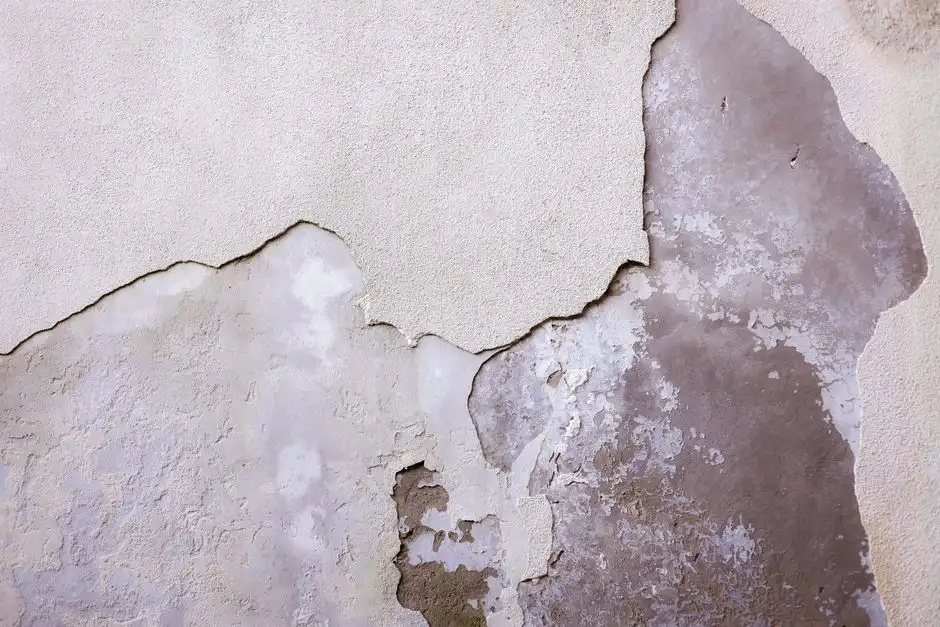
Visually, you are looking for paint that has started to bubble or peel in a patch rather than a line, drywall that has a faint brown or yellow ring, and baseboards that have separated from the wall by a credit card's thickness. Dark streaks running down from a ceiling corner are another giveaway, especially in upstairs hallways where a supply line runs through the floor above.
Touch is underrated. Run the back of your hand along the lower two feet of drywall in any room that shares a wall with a bathroom, laundry, or kitchen. Cooler drywall means moisture behind it. Soft spots, spongy texture, or a hollow sound when you tap are later-stage signs that the paper facing has already failed.
Finally, watch your bill. An undetected toilet flapper leak or a pinhole supply line leak can add 2,000 to 6,000 gallons a month. If your summer usage jumped from 4,000 gallons to 9,000 with the same household, you have a leak somewhere, and the wall cavity is a prime suspect.
Why Boise homes are prone to hidden wall moisture
Boise's climate swings hard between seasons, and that swing is what drives most of the hidden wall moisture we see. Winter brings repeated freeze-thaw cycles. Water inside a copper or PEX line expands, contracts, and eventually weeps at a joint you cannot see. By the time the drywall shows a stain, the leak has usually been running for weeks.
Spring snowmelt and the occasional heavy rain event push water against foundations and into crawl spaces. From there, it wicks up into the wall cavity through the sill plate. Homes in the North End and along the Boise Bench, many of them built between 1920 and 1960, have original galvanized supply lines and cast iron drains that are well past their service life. We see more hidden leaks in those neighborhoods than anywhere else in the valley.
Newer construction is not immune. Builder-grade PEX fittings fail at the crimp ring, and a slow drip inside a wall can run for a full heating season before anyone notices. If you own a home in Harris Ranch or Southeast Boise built in the last 15 years, the risk is lower but not zero.
If you want a broader look at how we handle these situations across the valley, our Disaster Cleanup Boise ID team covers everything from a single wet wall to a full basement flood.
How to detect water damage behind walls in Boise
How to detect water damage behind walls in Boise without opening the wall comes down to three tools and one habit. The tools are a pin-type moisture meter, a non-contact infrared thermometer, and your nose. The habit is checking the same spots every season so you notice a change.
Start with the meter. You can buy a basic pin meter for $30 to $60 at any Boise hardware store. Push the pins into the drywall at baseboard height, about every 3 feet along any wall that backs up to a bathroom, laundry, or exterior hose bib. Readings under 15% are dry. Anything over 20% means active moisture, and anything over 25% means you have a problem that needs to come out.
The infrared thermometer works on the same principle as a thermal camera. Scan the wall and look for a cold patch that does not match the rest of the surface. A cold patch in summer is a wet patch. In winter, a warm patch near an exterior wall can be the same thing, because wet insulation conducts heat differently than dry insulation.
Then use your nose. If the meter reads dry but the room still smells musty, the moisture is likely in the ceiling above or in the wall cavity on the other side. That is the point where a professional moisture detection visit pays for itself. We use thermal imaging and pin meters together, and we can usually map the full extent of the leak in under an hour.
One more habit: photograph your meter readings and the date. If you sell the house or file an insurance claim, that record matters.
Can hidden water damage cause mold in Boise Idaho?
Yes. Hidden water damage causes mold in Boise Idaho homes in as little as 24 to 48 hours once the drywall paper stays above 20% moisture. Mold needs three things: moisture, organic material, and a temperature between roughly 40°F and 100°F. A wet wall cavity in a Boise home supplies all three for most of the year.
The mold you see is rarely the whole story. What grows on the painted surface is the fruiting body. The colony itself is usually on the back of the drywall, on the paper facing, and on the wood studs. By the time black or green speckling appears on the front of the wall, the contamination behind it is often 10 to 20 times larger.
That matters for two reasons. First, air moves through wall cavities and picks up mold spores, which then circulate through the house. Second, standard drywall that has been wet for more than 48 hours and shows mold growth usually has to be removed, not dried in place. We handle that removal and the rebuild as part of our Mold Remediation Boise ID service, and we test the air before and after so you know the spore count actually dropped.
If you are not sure whether the smell is mold or just a damp basement, a Mold Testing Boise ID visit gives you a lab result rather than a guess. That report is also what most insurance adjusters want to see.
Common mistakes homeowners make when checking for hidden leaks
The most common mistake is painting over the stain. A fresh coat of primer hides the evidence for a few months, but the moisture is still there, and the mold is still growing. We have opened walls where three layers of paint were hiding a leak that had been running for two years.
The second mistake is assuming a dry meter reading means the wall is fine. Pin meters only read the spot you touch. A leak at a fitting 4 feet away can leave the lower wall dry while the top plate is soaked. Always check high and low, and check both sides of the wall if you can access them.
The third mistake is running a box fan in the room and calling it dried. Air movement helps, but it does not pull moisture out of a closed wall cavity. Without a dehumidifier and, in most cases, a small hole for airflow, the cavity stays wet for weeks.
The fourth mistake is ignoring the crawl space. In Boise, a huge share of hidden wall moisture starts below the floor. If your crawl space has standing water, a musty smell, or insulation that is sagging and dark, the walls above it are almost certainly wet too. Our Crawl Space Restoration Boise ID team handles that part of the job, including the vapor barrier and the framing dry-out.
Last, do not assume your homeowners policy will cover a slow leak. Most policies cover sudden and accidental discharge, not long-term seepage. The sooner you document and fix it, the better your claim looks.
When to call a professional for hidden water damage in Boise
Call a professional when the moisture meter reads over 20% in more than one spot, when you can smell mold but cannot see it, or when the leak is inside a wall you cannot open without cutting drywall. Those three situations are past the DIY stage.
Our team at Rapid Disaster Cleanup Boise id handles the whole chain: we find the leak with thermal imaging, we extract any standing water, we dry the cavity with commercial dehumidifiers and air movers, we remove and replace any drywall that has already failed, and we treat the framing so mold does not come back. We set the equipment, we monitor it daily, and we do not pull it until the meter reads dry.
We work across the valley, including older homes where galvanized lines and cast iron drains are common. If you are in a neighborhood with a lot of 1940s and 1950s construction, our Disaster Cleanup in North End crews know those floor plans and where the plumbing tends to fail first.
One call, one crew, one invoice. That is the whole pitch.
Frequently Asked Questions
What are the signs of hidden water damage in Boise homes?
The top signs are a persistent musty odor, bubbling or peeling paint, soft or discolored drywall, baseboards that have pulled away from the wall, and a water bill that has climbed 30% or more without a change in use. Any one of those justifies a moisture meter check.
How do I check for water damage behind walls in Boise ID?
Use a $30 to $60 pin-type moisture meter at baseboard height every 3 feet along walls that back up to bathrooms, laundry rooms, and exterior hose bibs. Readings above 20% mean active moisture. Follow up with an infrared thermometer to find cold patches that do not match the rest of the wall.
Can hidden water damage cause mold in Boise Idaho?
Yes, and it can start in 24 to 48 hours. Once drywall paper stays above 20% moisture, mold colonizes the back of the board and the wood studs. By the time you see surface mold, the contamination behind the wall is usually 10 to 20 times larger.
Who do I call for hidden water damage in Boise?
Call a licensed restoration company that can both find the leak and dry the structure. Rapid Disaster Cleanup Boise id handles leak detection, water extraction, structural drying, mold remediation, and drywall repair, so you are not coordinating three separate contractors.
Does homeowners insurance cover hidden water damage in Boise?
Most policies cover sudden and accidental discharge, like a burst pipe, but exclude long-term seepage you should have noticed. Document the damage with photos and meter readings, fix the source quickly, and file the claim before the damage spreads further.
Get help with Disaster Cleanup in Boise
If you have smelled something musty for more than a week or your moisture meter is reading high, do not wait for the drywall to fail. We can be at your door today, find the source, and start drying the same visit.
Call Rapid Disaster Cleanup Boise id at 208 848-5209 and we will get your walls dry and your air clean.